

If you’re making a wallet, the leather you choose matters more than anything else.
Pick the wrong type, and you’ll end up with something too stiff, too flimsy, or worse—something that falls apart.
So what's the best leather? That depends somewhat on what type of wallet you are making and your goals, but I've run down the advantage, disadvantage and my recommendations below.
Best overall: Full grain or top grain leather
- Best thickness: 2–4 oz for interiors, 4–5 oz for outer shell
- Best for beginners: Soft chrome-tanned or thin vegetable-tanned leather
Now let’s break down why.
1. Best Types of Leather for Wallets
Full Grain Leather (Best Quality)


This is the top of the line. The drawback is that imperfections are not removed so if you choose this leather, expect leather with brand marks, cut marks, bite marks, etc. You can usually cut around these if you don't want them on your wallet but here are the advantages:
- Strongest and most durable
- Develops a patina over time (gets better with age)
- Used in high-end wallets
Use it if:
You want a premium wallet that lasts for years.
Top Grain Leather (Best Balance)


Slightly processed with marks removed. Durability is still excellent. Will last for years. This is what 99% of leather furniture is made of.
- Smoother, more consistent look
- Easier to work with
- Still very durable
Use it if:
You want something clean-looking and easier to handle.
Genuine Leather (Budget Option)


Let’s be honest—this is lower grade. We don't even sell this as the lower quality is not worth the money in our opinion.
- Less durable
- Often layered or processed
- Doesn’t age well
Use it if:
You’re just practicing or making low-cost items.
2. Vegetable-Tanned vs Chrome-Tanned
This is where most beginners get stuck.
Vegetable-Tanned Leather
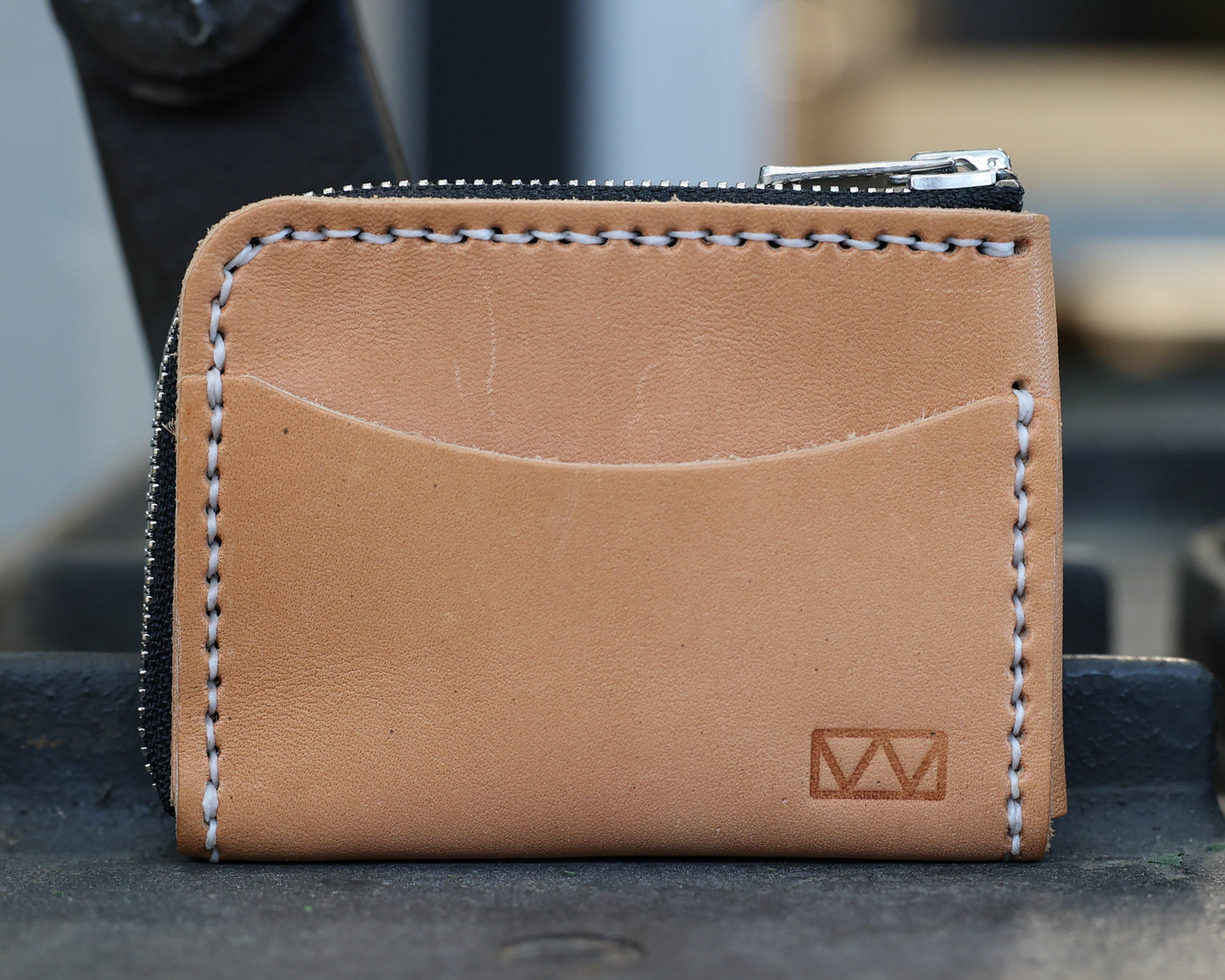

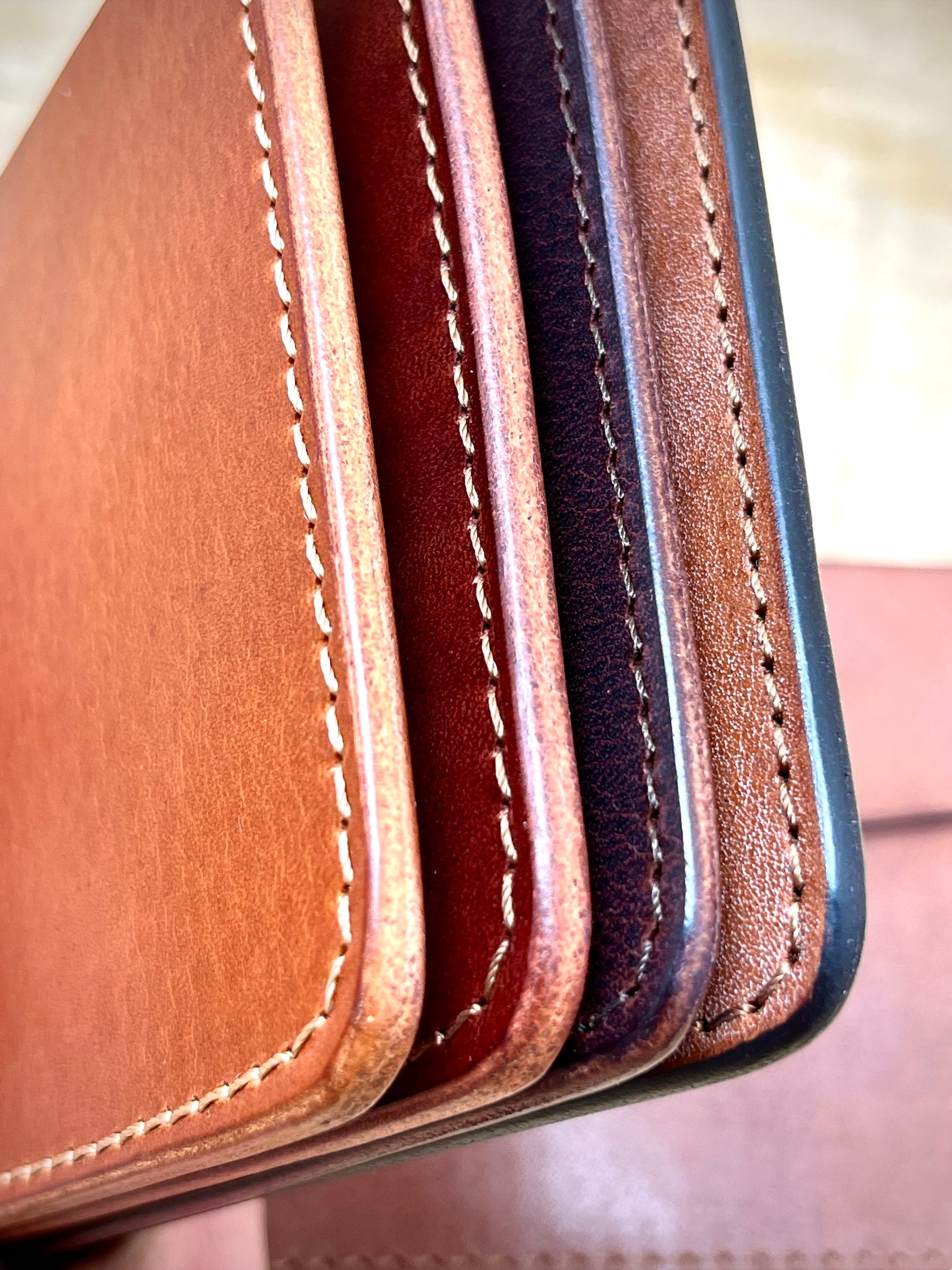
- Firm and structured
- Great for tooling and stamping
- Ages beautifully
Downside: Stiffer and harder to work with. We do not recommend it for wallets as it is too stiff in our opinion.
Chrome-Tanned Leather
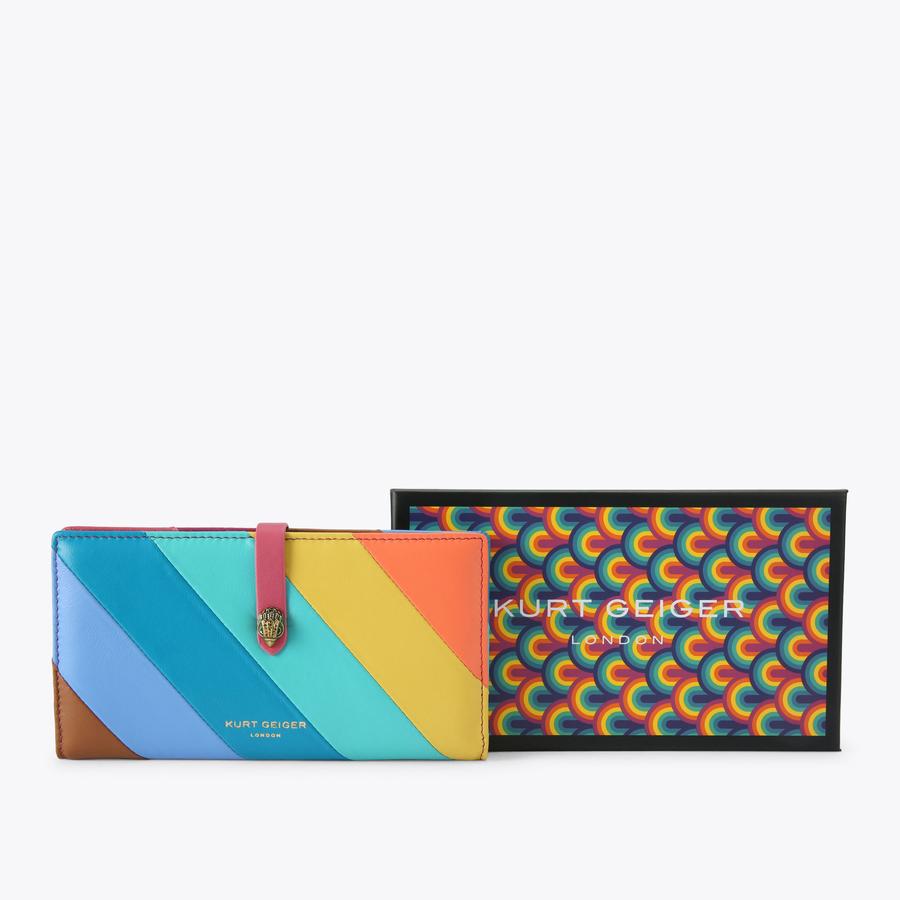


- Soft and flexible
- Easier for beginners
- Comes in lots of colors
Downside: It is not as thick or stiff.
My Straight Recommendation:
- Beginners → Chrome-tanned
- Intermediate → Vegetable-tanned
- Selling premium wallets → Full grain veg-tan
3. What Thickness Leather Should You Use?
This is where people mess up.
Too thick = bulky wallet
Too thin = weak wallet
Ideal thickness:
- Outer layer: 4–5 oz
- Inside pockets: 2–3 oz
Rule of thumb: If it doesn’t fold easily, it’s too thick.
4. Best Leather for Different Wallet Styles
Minimalist Wallets
- 2–3 oz leather
- Chrome-tanned or thin veg-tan
Bifold Wallets
- 4–5 oz outside
- 2–3 oz inside
- For most wallets you can use the same thickness for outside and inside.
Card Holders
- 2–3 oz only
5. Common Mistakes to Avoid
Let’s save you some frustration:
- ❌ Using thick leather for everything
- ❌ Mixing random scrap thicknesses
- ❌ Buying cheap “mystery leather” online
- ❌ Ignoring temper (how stiff or soft it is)
6. Where to Buy Good Leather for Wallets
You want leather that is:
- Consistent
- Clearly described
- Ready to use
If you’re just getting started, pre-cut leather packs are one of the easiest ways to learn without wasting material. We have them available in three sizes: Small for earrings, wallets. Medium for small purses and totes and Large for bags, smaller pieces of furniture, etc.
Visit our leather remnant page.
We also sell full hides.