

At some point, nearly everyone working with upholstery leather asks the same frustrated question:
“Why won’t my edges burnish like real leather?”
They sand.
They wet the edge.
They rub harder.
They try gum tragacanth, beeswax, even spit.
Nothing works.
The problem isn’t your technique. The problem is what upholstery leather actually is—and what burnishing requires.

What Burnishing Actually Does
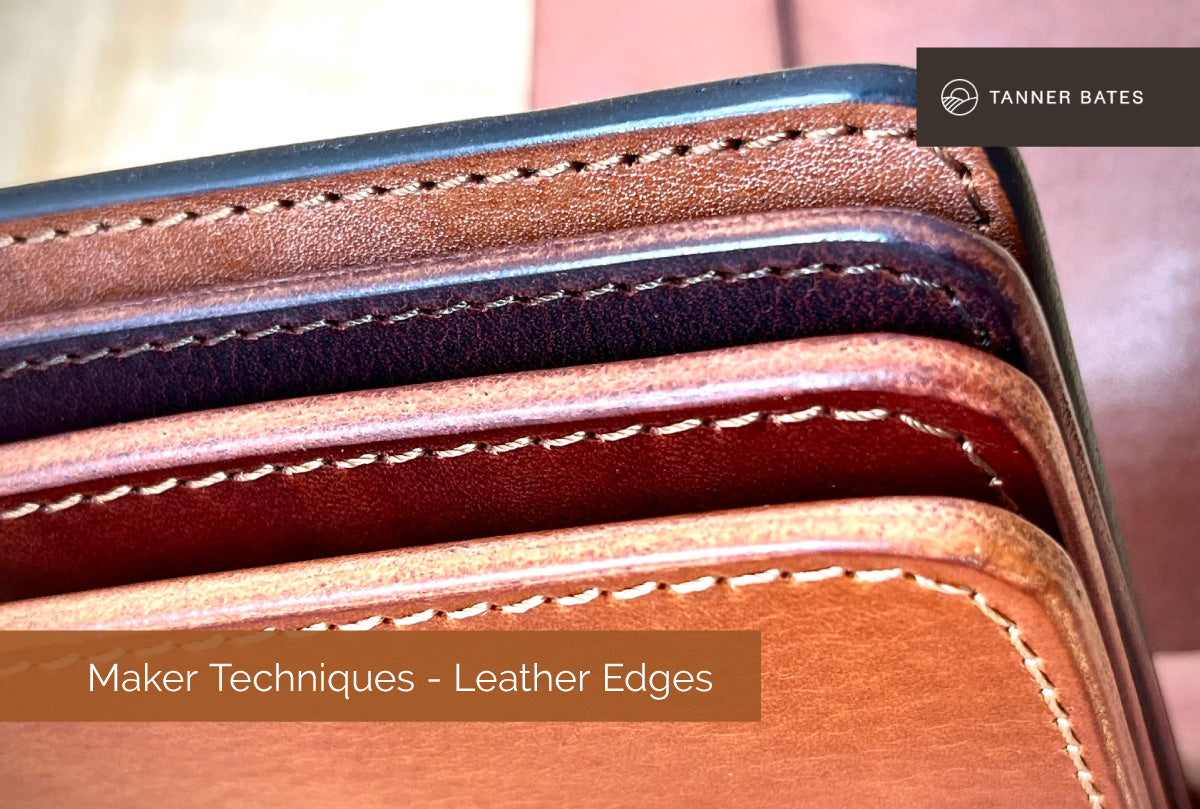
Burnishing works by:
-
Compressing leather fibers
-
Binding them together with moisture and friction
-
Creating a sealed, glossy edge
This only works when the leather fibers are:
-
Long
-
Dry
-
Uncoated
-
Structurally stiff
That description fits vegetable-tanned leather—not upholstery leather.
Why Upholstery Leather Won’t Burnish
1. It’s Chrome-Tanned
Upholstery leather is almost always chrome-tanned. Chrome tanning produces soft, flexible fibers that won’t compact and lock together under friction.
They fuzz. They separate. They refuse to polish.
2. The Edges Are Coated or Finished
Most upholstery hides have:
-
Pigmented finishes
-
Acrylic or urethane coatings
-
Protective top layers
When you cut the edge, you expose untreated fibers beneath a sealed surface. Those fibers don’t respond to burnishing agents the way veg-tan does.
3. The Fibers Are Designed to Move
Upholstery leather is meant to flex thousands of times without cracking. Burnishing depends on fibers that don’t want to move.
You’re asking the material to behave against its design.
Why “Burnishing Harder” Makes It Worse
Aggressive burnishing:
-
Raises fuzz
-
Rips fibers
-
Creates uneven edges
-
Makes the leather look cheap
This is where beginners waste the most time trying to force a traditional technique onto the wrong material.
What to Do Instead (Real Solutions)
If burnishing won’t work, you change the finish—not the effort.
1. Folded (Turned) Edges
The cleanest solution.
-
Fold the leather over itself
-
Stitch the edge down
-
Hide the raw edge completely
This is the gold standard for upholstery leather bags.
2. Edge Paint
Used by luxury bag makers worldwide.
-
Seals fibers
-
Creates uniform edges
-
Works on chrome-tanned leather
Multiple thin coats with light sanding between layers gives the best result.
3. Binding or Piping
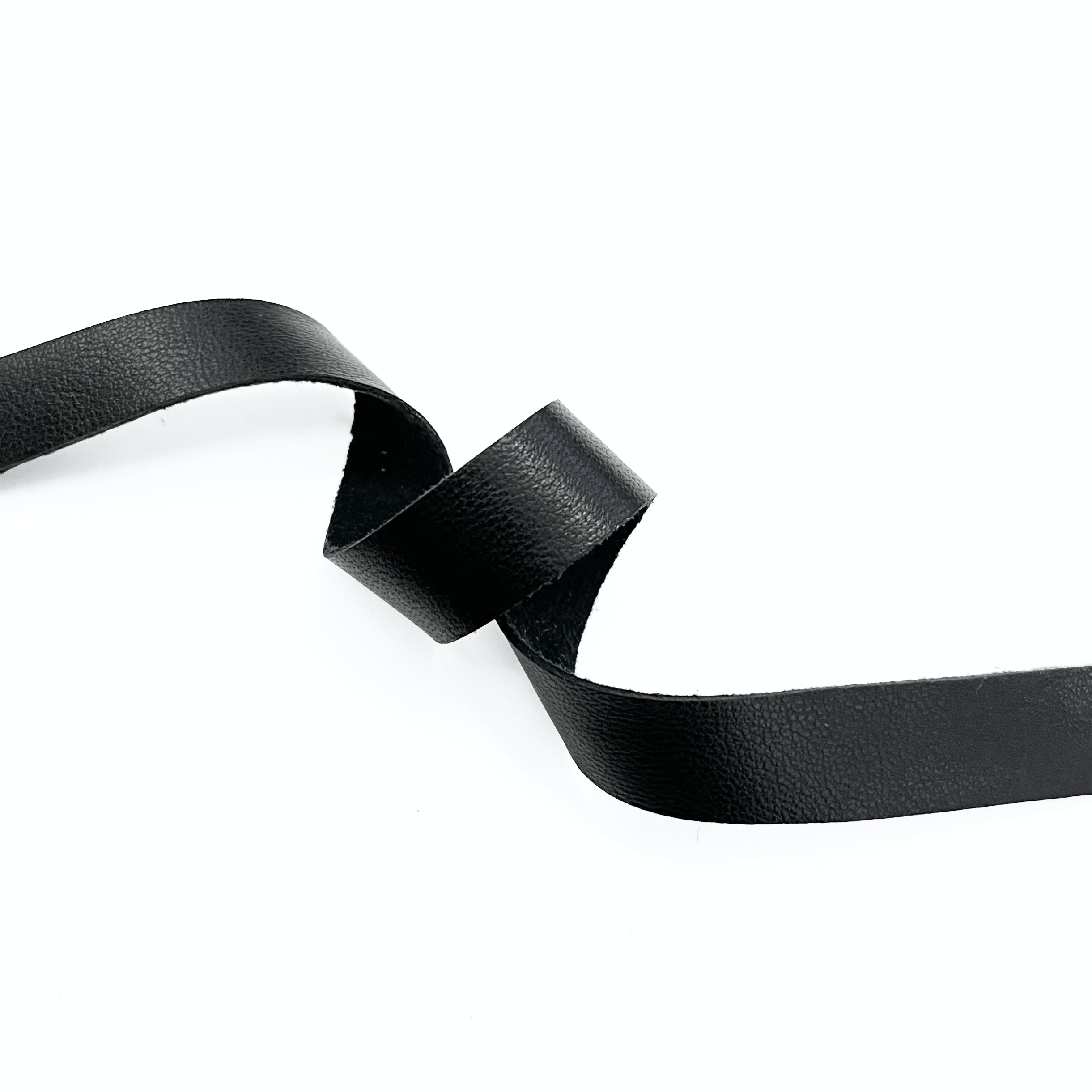
Wrapping the edge with:
-
Fabric
-
Thin leather
-
Pre-made piping
Adds durability and visual structure.
4. Rolled or Wrapped Seams
Common in high-end upholstery and handbags.
Edges are enclosed, reinforced, and protected from wear.
When Raw Edges Can Work
If you insist on raw edges:
-
Keep them hidden
-
Use thick, tight-grain leather
-
Accept a matte, unfinished look
Raw edges on upholstery leather will never look like veg-tan. That’s not failure—it’s physics.
A Traditional Rule Worth Respecting
Every craft has a moment where tradition says:
“Use the right finish for the right material.”
Burnishing is not a universal leather technique. It belongs to a specific type of leather—and upholstery leather isn’t it.
Bottom Line for Part 7
If your upholstery leather edges won’t burnish:
-
You’re not doing it wrong
-
The leather isn’t meant to burnish
Choose finishes that work with the material, not against it. Folded edges, edge paint, and bindings are not compromises—they’re professional solutions.
A Modern Exception: Using a Laser to Create a “Burnished” Edge
There is one situation where upholstery leather edges can look burnished—and it doesn’t involve water, wax, or friction.
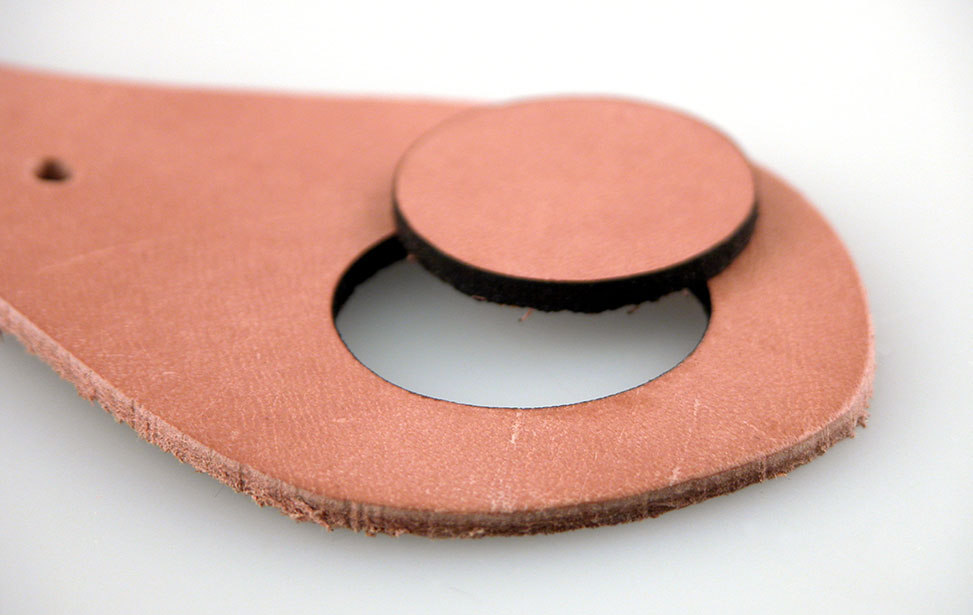
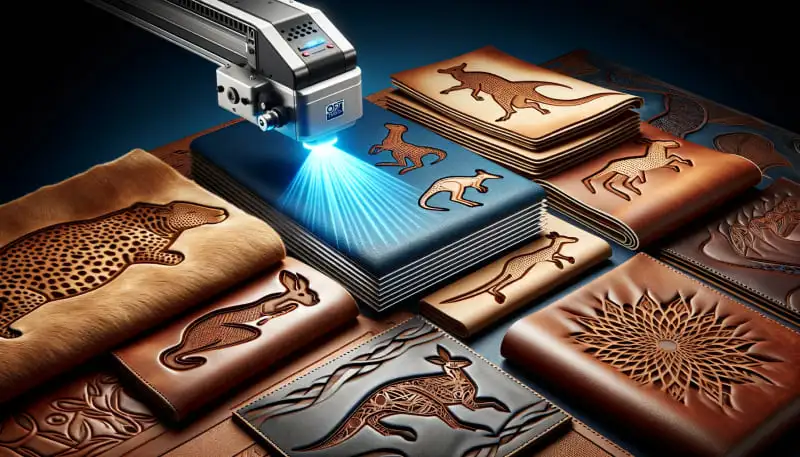
If you have a laser, you can cut upholstery leather in a way that seals the fibers as it cuts, producing a darker, smoother edge that visually mimics burnishing.
This works because the laser doesn’t compress fibers—it thermally seals them.

Why Laser-Cut Edges Look Better
When a laser cuts leather:
-
Heat slightly melts and seals the exposed fibers
-
Fuzz is reduced or eliminated
-
The edge darkens uniformly
-
No mechanical stress is introduced
Instead of fighting loose fibers, you’re locking them in place at the moment of the cut.
This is especially effective on chrome-tanned and upholstery leathers that resist traditional burnishing.
CO₂ Laser vs. UV Laser: Not All Lasers Are Equal
CO₂ Lasers
-
Common in maker spaces
-
Effective at cutting leather
-
Produce more heat and smoke
-
Can char edges heavily
-
Require excellent ventilation
CO₂ lasers can do the job, but they are hotter and more aggressive than necessary for upholstery leather.
UV Lasers (Preferred)
-
Much finer energy control
-
Cleaner cuts
-
Less charring
-
Sharper detail
-
Safer for coated and finished leathers
UV lasers seal the edge without excessive burning, giving a cleaner, more refined look—especially important for visible edges on bags, straps, and small goods.
If you’re working with finished upholstery leather, UV lasers do a noticeably better job.
Important Safety Note (This Matters)
Leather—especially upholstery leather—often contains:
-
Chrome tanning chemicals
-
Pigments
-
Surface coatings
Burning or vaporizing these materials produces fumes.
UV lasers are safer, but no laser is “fume-free.”
Proper ventilation and filtration are not optional.
Never laser-cut leather without:
-
Active exhaust
-
Proper filtration
-
Manufacturer-approved safety setup
Clean edges are pointless if you’re cutting corners on safety.
When Laser Cutting Makes Sense
Laser-cut edges work best for:
-
Small leather goods
-
Keychains and tags
-
Strap ends
-
Decorative panels
-
Visible straight edges
For large bag panels, lasers are still useful—but alignment, thickness, and setup matter.