


By now, if you’ve been following this series, you’ve probably discovered something important:
Upholstery leather doesn’t fail quietly.
If your needle, thread, or machine setup is wrong, the leather will let you know immediately—skipped stitches, shredded thread, uneven seams, or a machine that sounds like it’s being punished.
This post clears up what actually works on a home sewing machine, and where the hard limits are.

Start with This Truth
A home sewing machine can sew upholstery leather—but only within a narrow window.
Success comes from:
-
The right needle
-
The right thread
-
Controlled thickness
-
Respecting the machine’s limits
Ignoring any one of those leads to frustration.
The Right Needles for Upholstery Leather
Leather Needles (Preferred)
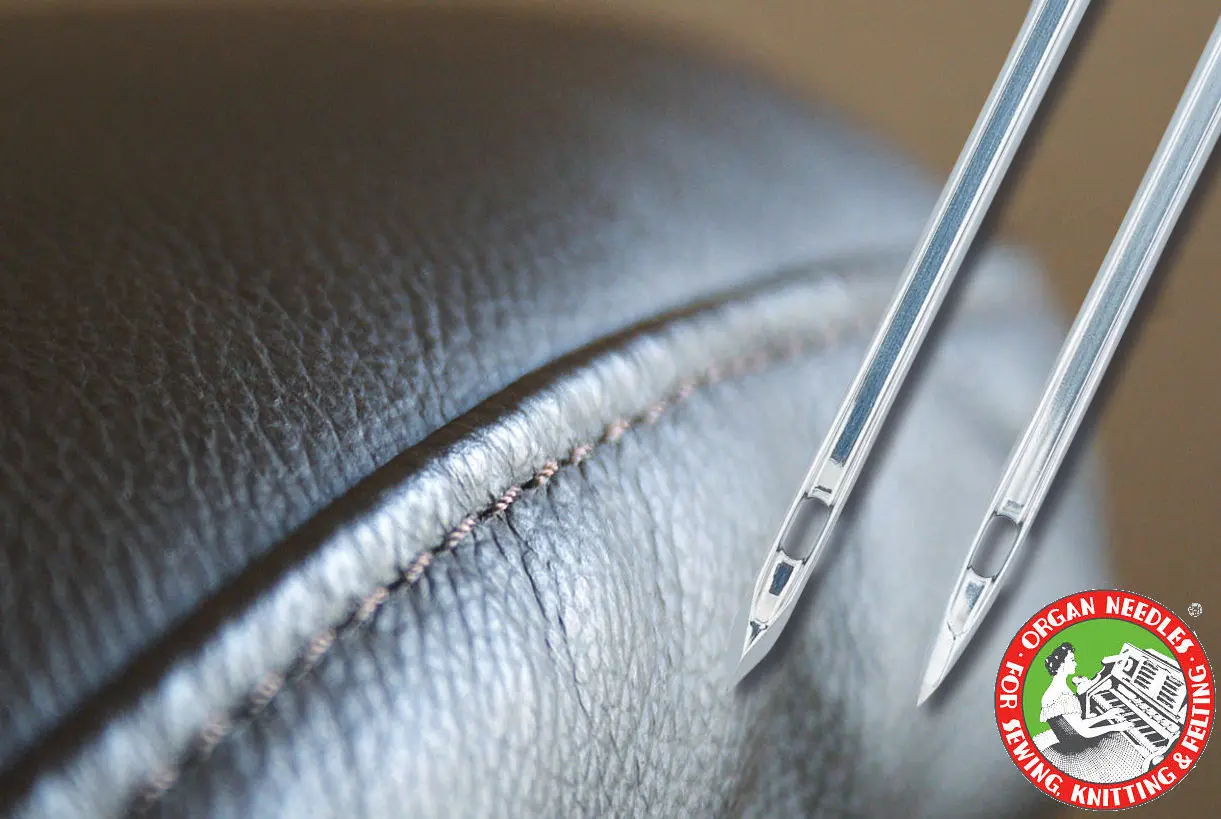
Leather needles have a chisel-shaped point that slices cleanly through leather instead of punching through it.
Recommended sizes:
-
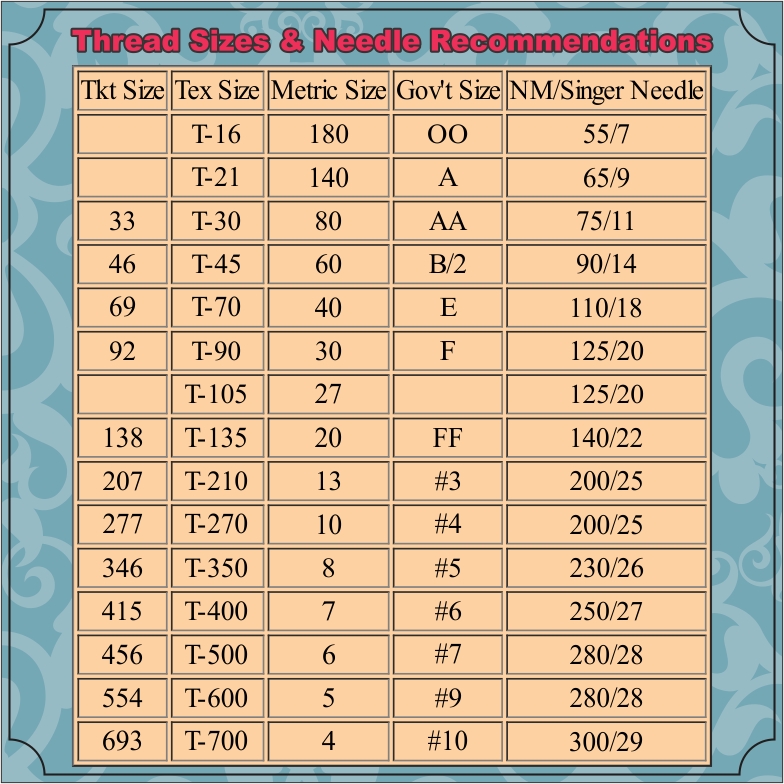
90/14 – light to medium upholstery leather
-
100/16 – most bag work
-
110/18 – limited use, only if your machine can handle it
If you hear popping sounds or see uneven holes, stop and reassess.
Microtex Needles (Good Alternative)
Microtex needles are extremely sharp and work well on:
-
Thinner upholstery leather
-
Leather + fabric combinations
They’re not ideal for thick stacks, but they outperform universal needles by a mile.
What NOT to Use
-
Universal needles
-
Ballpoint needles
-
Dull needles (even slightly dull is a problem)
Leather permanently records every mistake. There’s no recovery.
Thread: This Matters More Than You Think
Best Choice: Polyester Thread
Use bonded or upholstery-grade polyester thread.
Why polyester:
-
Strong
-
Low stretch
-
Resistant to abrasion
-
Handles tension changes better than cotton
Common sizes:
-
Tex 40 – most home machines handle this well
-
Tex 45 – borderline for some machines
-
Tex 70 – usually too much for home machines
If your machine struggles, go down a size—don’t force it.
What to Avoid
-
Cotton thread (breaks and rots)
-
Cheap “all-purpose” thread
-
Nylon thread on home machines (stretch + tension issues)
Thread failure is usually the first warning sign that something is wrong.
Stitch Length: Non-Negotiable
Short stitches destroy leather.
Set your stitch length to:
-
3.5–4.0 mm minimum
-
Longer if the leather is soft or thick
Short stitches act like perforation lines and encourage tearing and stretching.
Tension and Speed Matter
-
Sew slower than you think you need to
-
Reduce top tension slightly if thread is shredding
-
Test every combination on scrap
Leather doesn’t tolerate improvisation.
When a Home Sewing Machine Is Simply Outmatched
This is where honesty matters.
A home machine is outmatched when you’re trying to sew:
-
Upholstery leather + liner + stabilizer + strap reinforcement
-
Folded straps with internal webbing
-
Boxed corners with multiple layers
-
Repeated passes over the same seam
Signs you’ve hit the limit:
-
Skipped stitches no matter what you adjust
-
Thread snapping at intersections
-
Machine motor straining or stalling
-
Needles bending or breaking
At this point, the problem is not skill.
What to Do When You Hit the Wall
You have three smart options:
1. Redesign
Reduce bulk at seams. Skive where possible. Break construction into stages.
This is how traditional makers worked long before industrial machines.
2. Hand-Finish Critical Areas
Sew most of the bag by machine, then:
-
Hand-stitch straps
-
Hand-finish thick intersections
There’s no rule that says everything must be machine-stitched.
3. Upgrade the Machine (Eventually)
A walking-foot or industrial machine isn’t about speed—it’s about control under load.
Don’t rush this step. Learn the craft first.
A Traditional Perspective Worth Remembering
Old leather workers didn’t overpower materials.
They matched the tool to the job.
Forcing a home machine through work it wasn’t designed for doesn’t make you resourceful—it shortens the life of the machine and ruins good leather.
Bottom Line for Part 5
For upholstery leather on a home sewing machine:
-
Use leather or microtex needles (90/14–100/16)
-
Use polyester thread (Tex 40–45)
-
Lengthen your stitches
-
Respect thickness limits
And know this:
When the machine says no, it’s not weakness—it’s physics.
In Part 6, we’ll cover:
Why upholstery leather edges won’t burnish like veg-tan—and what to do instead.