

By the time most people reach this stage of working with upholstery leather, frustration has set in.
You’ve chosen the right thickness.
You’ve added a liner or stabilizer.
And yet—while sewing—the leather stretches, ripples, or warps, leaving wavy seams and distorted panels.
This isn’t a skill failure. It’s a material behavior problem—and once you understand why it happens, it becomes manageable.


A Quick Reminder from Earlier in the Series
In Parts 1–3, we established that upholstery leather is:
-
Chrome-tanned
-
Designed to flex and recover
-
Built for comfort, not rigidity
That flexibility doesn’t disappear when you put it under a sewing machine. In fact, sewing introduces directional force, heat, pressure, and friction—all things upholstery leather reacts to.
The Real Reasons Leather Stretches While Sewing
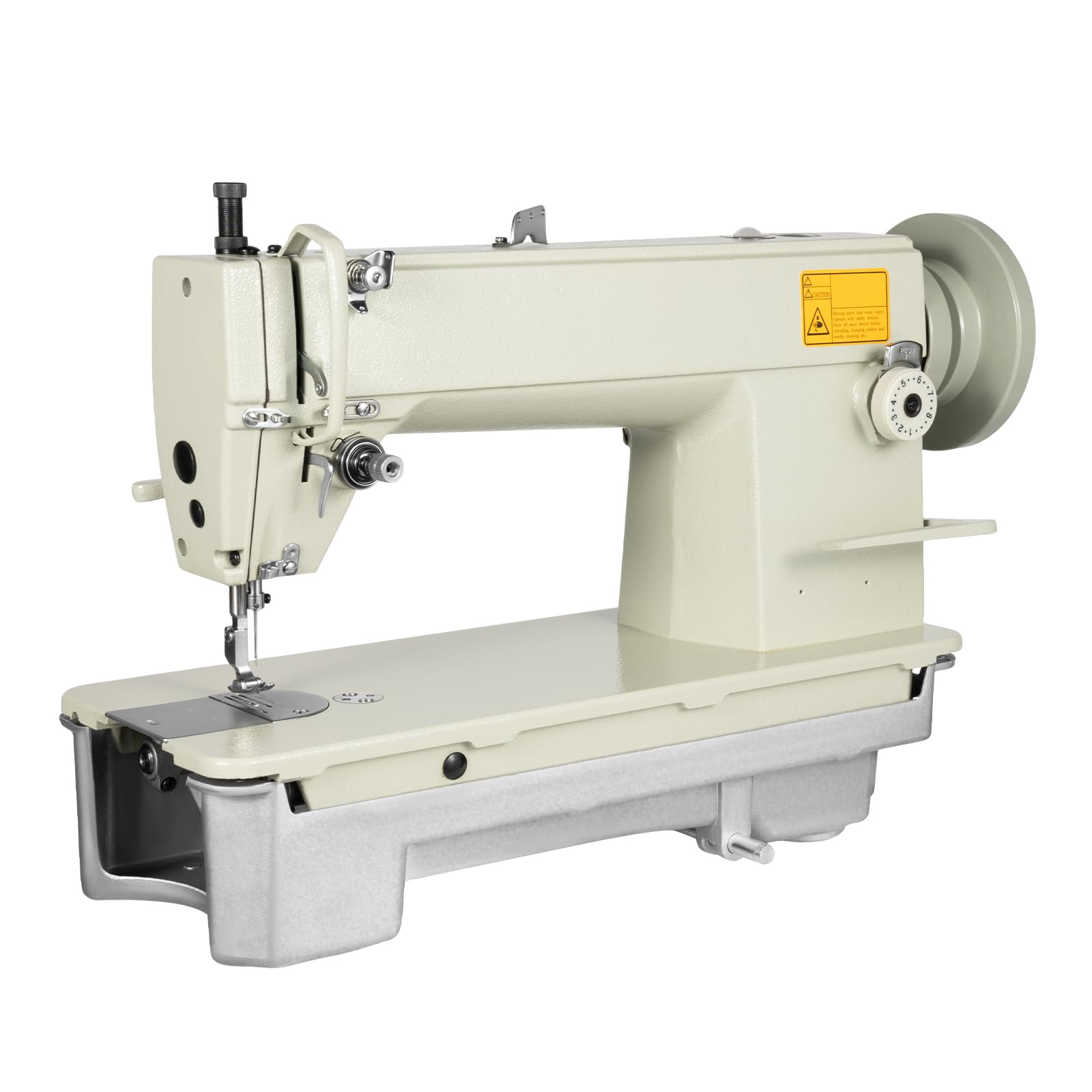
1. Feed Dog vs. Presser Foot Imbalance
On most home sewing machines:
-
Feed dogs pull from the bottom
-
The presser foot presses and drags from the top
With fabric, this balances out. With soft leather, it doesn’t.
The bottom layer advances while the top layer resists. The result:
-
Stretching
-
Puckering
-
Warped edges
This is the single most common cause of wavy seams.
2. Too Much Presser Foot Pressure
High presser foot pressure compresses leather fibers instead of guiding them. When released, the leather doesn’t rebound evenly—so it looks warped.
If your machine allows pressure adjustment, back it off. If it doesn’t, you’ll need to compensate elsewhere.
3. Stitch Length That’s Too Short
Short stitches perforate leather too closely. Instead of holding the material, they act like tear lines and encourage stretching.
Leather needs room to breathe.
Recommended stitch length:
-
3.5–4.0 mm minimum
-
Longer for thicker or softer hides
4. Wrong Needle or Dull Needle
A dull or incorrect needle pushes leather fibers instead of slicing cleanly. That friction:
-
Distorts the surface
-
Heats the leather
-
Encourages drag and stretch
Leather or microtex needles are not optional here.
5. Surface Drag on the Presser Foot
Finished upholstery leather often has surface coatings. Standard metal presser feet drag across them.
That drag pulls the leather out of alignment as you sew—especially on curves.
Why Warping Shows Up After Sewing
This catches people off guard.
Leather can look fine under the machine and warp later because:
-
Internal tension hasn’t equalized yet
-
The leather relaxes after pressure is released
-
Stitch holes lock in distortion
Once it’s sewn, the damage is permanent.
How to Stop Stretching and Warping (Practically)
Use a Walking Foot or Even-Feed Foot
This keeps top and bottom layers moving together. It’s the single biggest upgrade you can make without buying a new machine.
If you do nothing else—do this.
Increase Stitch Length
Longer stitches reduce perforation stress and allow the leather to lie flat naturally.
Support the Leather While Sewing
Don’t let the weight of the project hang off the machine. Support it with your hands or a table so gravity isn’t pulling while you stitch.
Reduce Friction
Options include:
-
Teflon presser foot
-
Tissue paper under the foot (removed later)
-
Lightly dusting with talc in extreme cases
The goal is smooth movement, not grip.
Control, Don’t Pull
Never pull leather through the machine. Guide it. Pulling stretches it faster than anything else.
A Traditional Rule Worth Remembering
Old leather workers learned this early:
If the material is moving when it shouldn’t, the machine setup is wrong—not the leather.
Upholstery leather exposes mistakes immediately. It doesn’t forgive rushed settings or brute force.
Bottom Line for Part 4
If your leather stretches or warps while sewing:
-
It’s reacting to imbalance, pressure, or friction
-
Thicker leather won’t fix it
-
Better control will
Slow down. Set the machine correctly. Let the leather move naturally.