

This question usually comes after someone tries a familiar technique and gets an unfamiliar result:
-
The stamp looks shallow.
-
The tooling won’t hold.
-
The engraving looks darker, flatter, or fuzzy instead of crisp.
That’s not operator error. It’s the material talking back.
Upholstery leather can be engraved, stamped, and marked—but it will never behave like vegetable-tanned leather. Understanding why lets you choose the right method instead of forcing the wrong one.

Start With the Core Difference
Everything comes back to tanning.
-
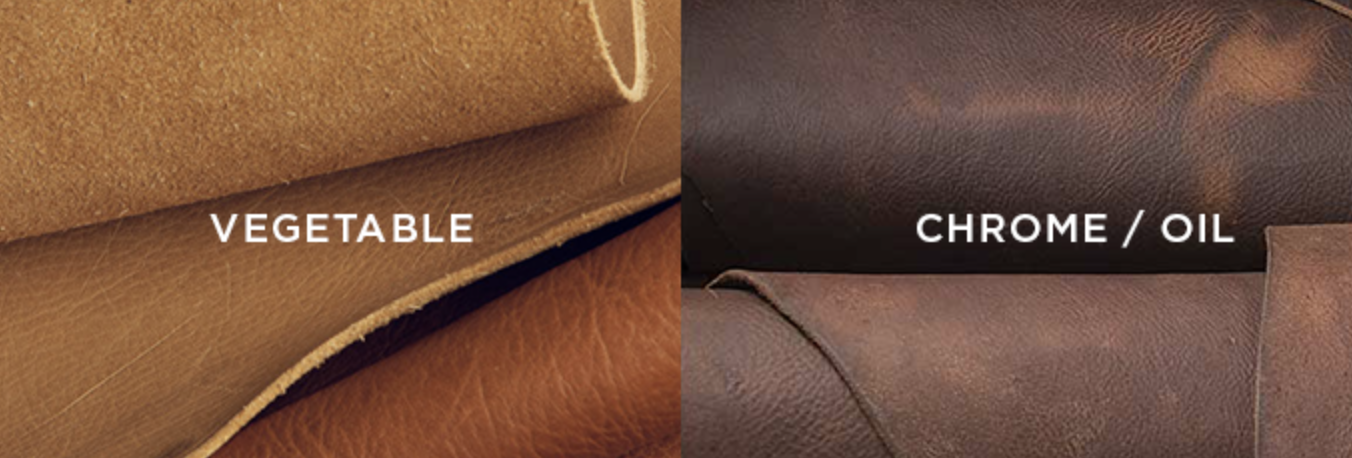
Vegetable-tanned leather is stiff, absorbent, and fiber-dense
-
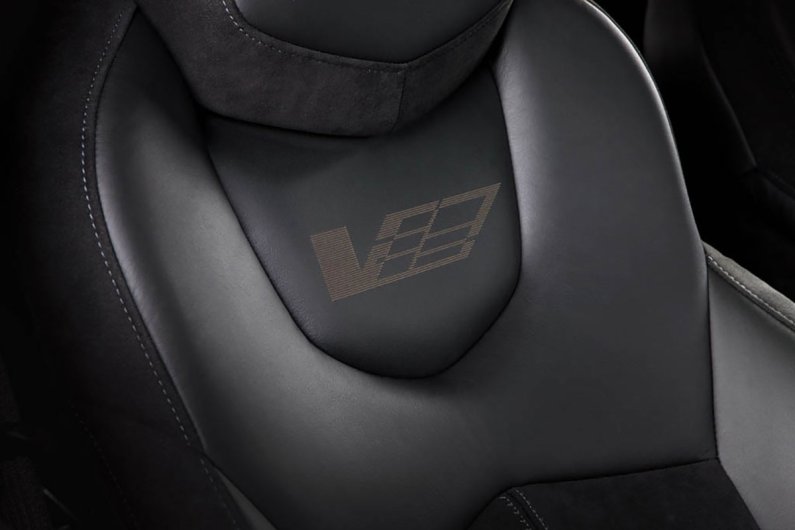
Upholstery leather is chrome-tanned, soft, flexible, and often surface-coated
Veg-tan is meant to be shaped and frozen in place.
Upholstery leather is meant to flex and recover.
That single difference explains every result you see.
Laser Engraving Upholstery Leather
Yes—you can laser engrave upholstery leather
And in many cases, it’s the best marking method available for this material.
What Laser Engraving Does Well
-
Creates high contrast
-
Works through surface finishes
-
Produces clean, repeatable results
-
Doesn’t rely on fiber compression
Instead of reshaping fibers, a laser removes or darkens material. That’s why it works so reliably on chrome-tanned leathers.
Why Engraving Looks Different Than Veg-Tan
-
Less depth
-
More tonal contrast than relief
-
Darkened or sealed edges
-
Minimal tactile texture
That’s not a flaw—it’s the nature of thermal marking versus compression.
CO₂ vs UV Lasers (Quick Reality Check)
-
CO₂ lasers: effective, but hotter, more charring, more fumes
-
UV lasers: finer control, cleaner detail, less heat, safer on finished leathers
Both work. UV lasers produce cleaner, more refined results on upholstery leather—especially for small goods and detailed graphics.
Ventilation is mandatory either way.
Stamping Upholstery Leather
Can you stamp it?
Yes—but expectations matter.
What Happens When You Stamp Chrome-Tanned Leather
-
The impression is shallow
-
Edges are softer
-
The leather rebounds over time
Unlike veg-tan, upholstery leather doesn’t “lock” into a stamped shape. It relaxes.
When Stamping Makes Sense
-
Decorative logos (especially with heat)
-
Temporary or subtle marks
-
Designs enhanced with foil or pigment
Cold stamping alone will never look like traditional leather tooling.
Tooling Upholstery Leather (The Hard Truth)
Traditional tooling? No.
Tooling relies on:
-
Moisture absorption
-
Fiber compression
-
Permanent deformation
Chrome-tanned leather resists all three.
Trying to tool upholstery leather results in:
-
Mushy impressions
-
Uneven depth
-
Fast rebound
This isn’t a technique gap—it’s a material mismatch.
Why Veg-Tan Looks “Crisper”
Veg-tan leather:
-
Absorbs water evenly
-
Swells under tooling
-
Dries stiff and holds form
That’s why tooling, carving, and deep stamping belong to it. Upholstery leather was never designed for that role.
Best Practices by Method
If You Want Crisp Detail
➡ Laser engraving
If You Want Subtle Branding
➡ Heat stamping or foil stamping
If You Want Traditional Carving
➡ Use veg-tan leather
Mixing expectations is where disappointment happens.
A Traditional Principle That Still Applies
Old leatherworkers didn’t ask:
“Can I force this technique to work?”
They asked:
“What is this leather meant to do?”
That question matters more today than ever—because modern leathers are purpose-built.
Bottom Line for Part 9
Yes, you can engrave and mark upholstery leather.
No, it will never behave like veg-tanned leather.
-
Laser engraving works best and most consistently
-
Stamping is possible but subtle
-
Traditional tooling doesn’t translate
Choose the method that matches the material, and the results stop being frustrating—and start looking intentional.
In Part 10, we’ll wrap the series with:
What mistakes make a bag look homemade instead of professional—and how to avoid them.